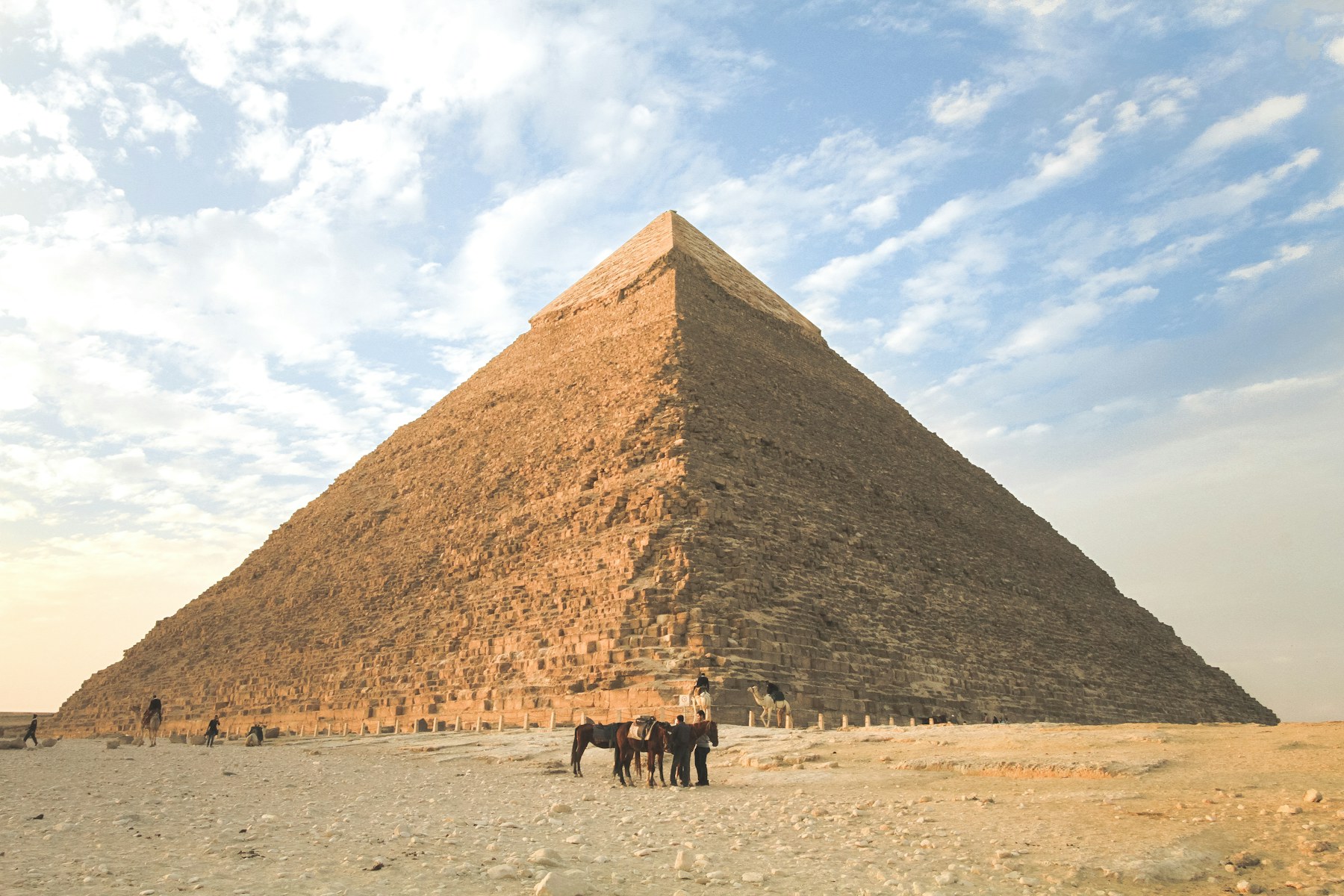
Grand View
Four spatial moves
Make the route visible by naming the small actions that keep happening around you.
Turn
A corner can withhold a view and make the next object feel discovered.
Rise
A change in height can alter scale, horizon and the sense of authority.
Pause
A bench, landing or empty edge gives the eye time to organise.
Align
A framed vista can connect architecture, object and the people sharing the room.
Grand View
The route is a reading tool
Notice how circulation distributes attention. A generous room may slow you down; a narrow transition may reset the eye before the next display.
- Find the first clear orientation point.
- Compare one view from the centre with one from the edge.
- Notice where people can stop without interrupting the route.
Grand View
A room can make a small thing visible
Scale is not only size. It is the relationship between an object, the space around it and the time a visitor is allowed to stay.
Grand View
Keep the interpretation open
This is an independent visitor reading, not an official architectural account. Check current routes and access arrangements with the venue.