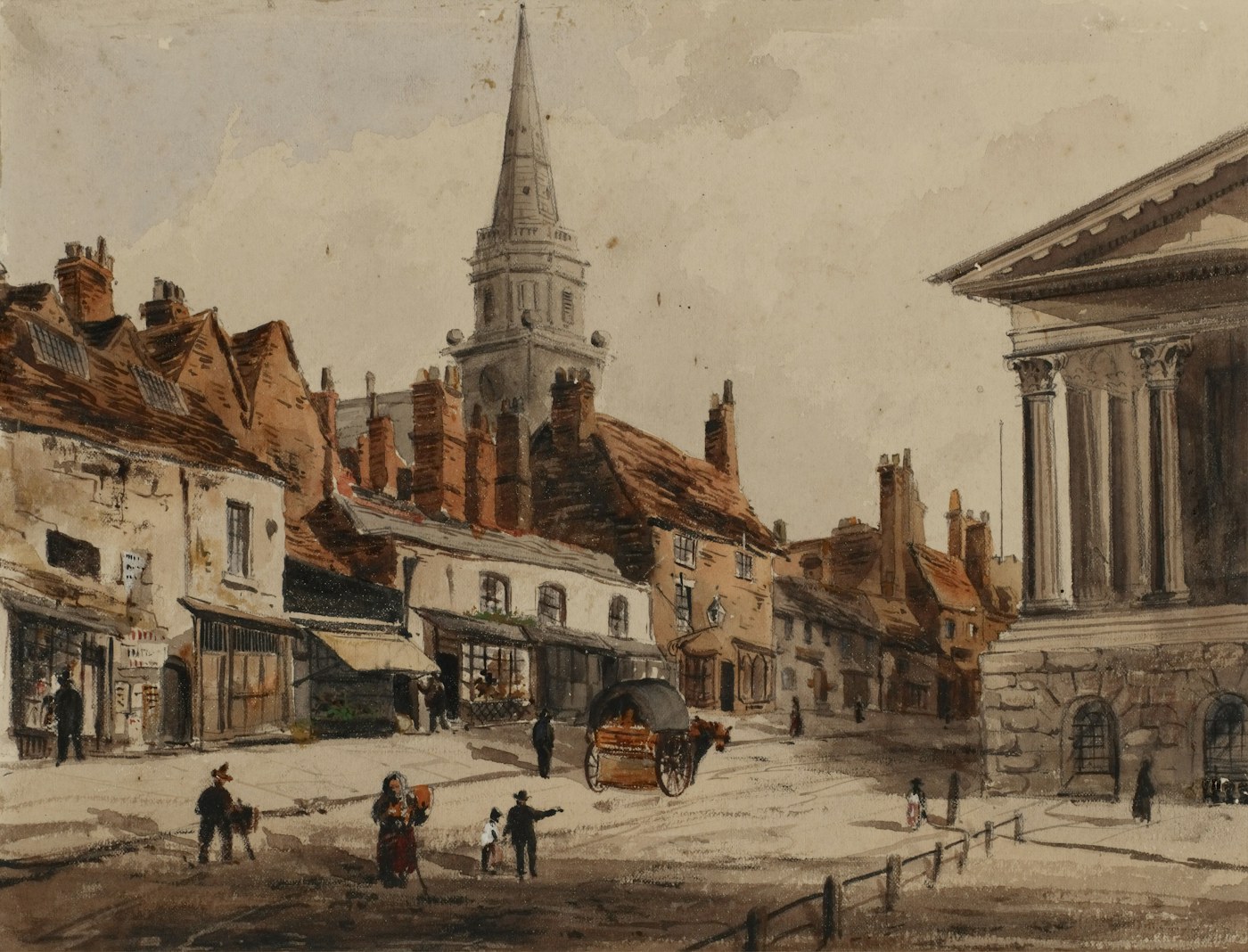
Grand View
The frame before the label
Before reading the object’s name, read the conditions around it. A threshold, case, shadow or open floor changes what feels prominent and what can wait.
Threshold
What does the entrance make visible before you choose a direction?
Distance
Where does the whole object become legible, and where does detail begin?
Relation
Which nearby object quietly changes your first interpretation?
Grand View
Move through three speeds
A large museum can support a quick orientation, a close look and a slower return. Treat these as different modes rather than trying to give every room the same amount of time.
- Wide: find the room’s main axis and one place to pause.
- Near: choose one surface, gesture or inscription to read closely.
- Back: step away and ask what the room added to the object.
Grand View
Let the building edit the checklist
The best route is not the one that includes every room. It is the one that lets a few objects remain distinct after the exit.
Grand View
Current museum information
Gallery access, entry rules, exhibitions and closures can change. Confirm current details through official venue and government sources.