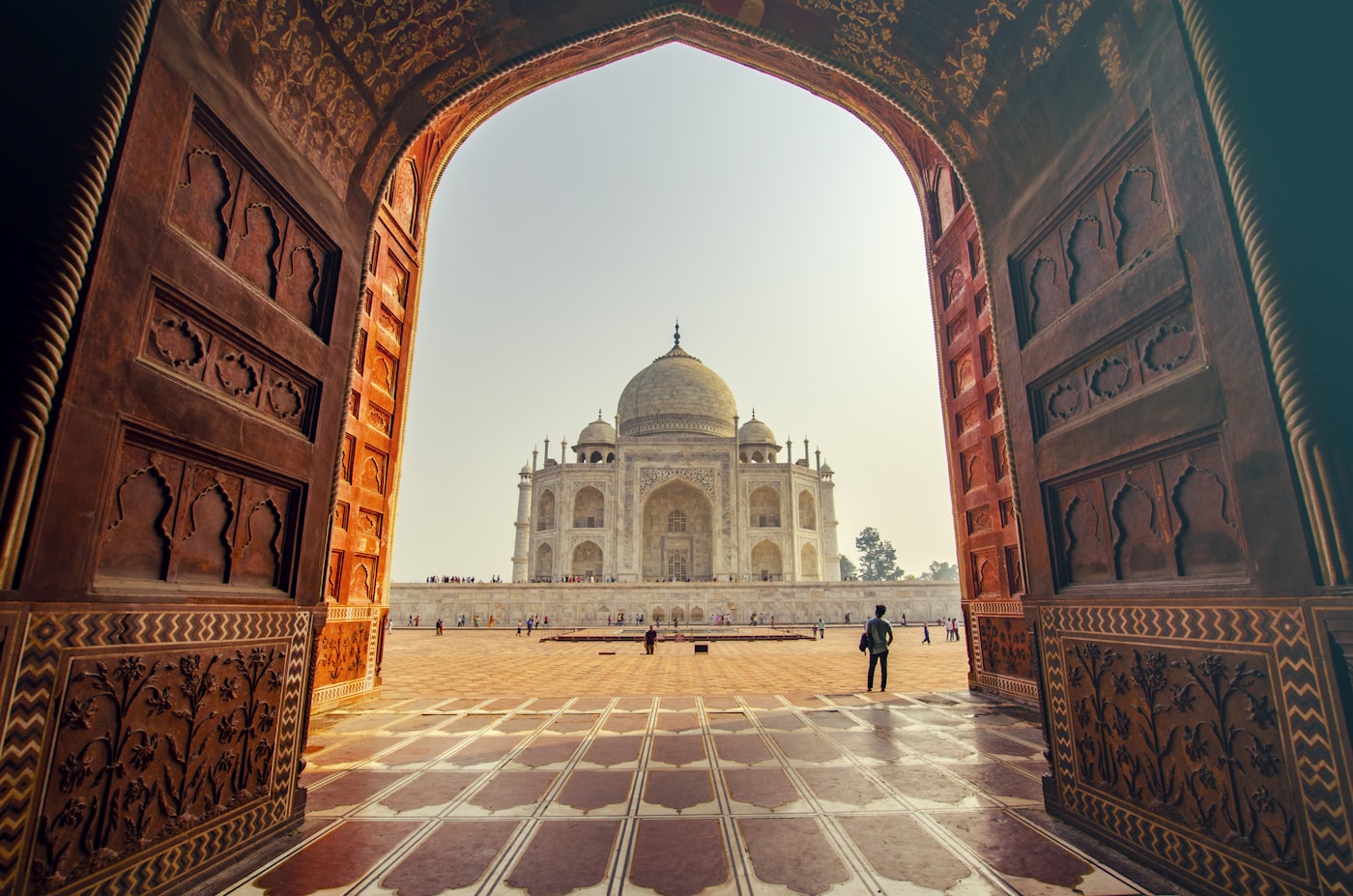
Grand View
A two-bank rhythm
Whether your day crosses the river or stays close to one museum, alternate between an outward view and a close reading so neither scale becomes scenery.
Outward
Let the horizon establish distance, light and the material of the place.
Inward
Return to one object and ask what the landscape makes newly precise.
Back
Carry one detail outside again and see what the open space changes.
Grand View
Heat changes the frame
Climate is part of visual attention. Plan demanding outdoor time with the day’s conditions in mind and protect an indoor reset between longer movements.
- Start demanding outdoor sections earlier when possible.
- Keep water and a cool interval available.
- Allow margin for crossings, queues and the slower return of real looking.
Grand View
The landscape should widen the object
Context is useful when it gives an object more dimensions, not when it turns the object into a souvenir of a place.
Grand View
Verify local arrangements
Opening times, transport and site access can change. Check current official information before relying on a Luxor sequence.